
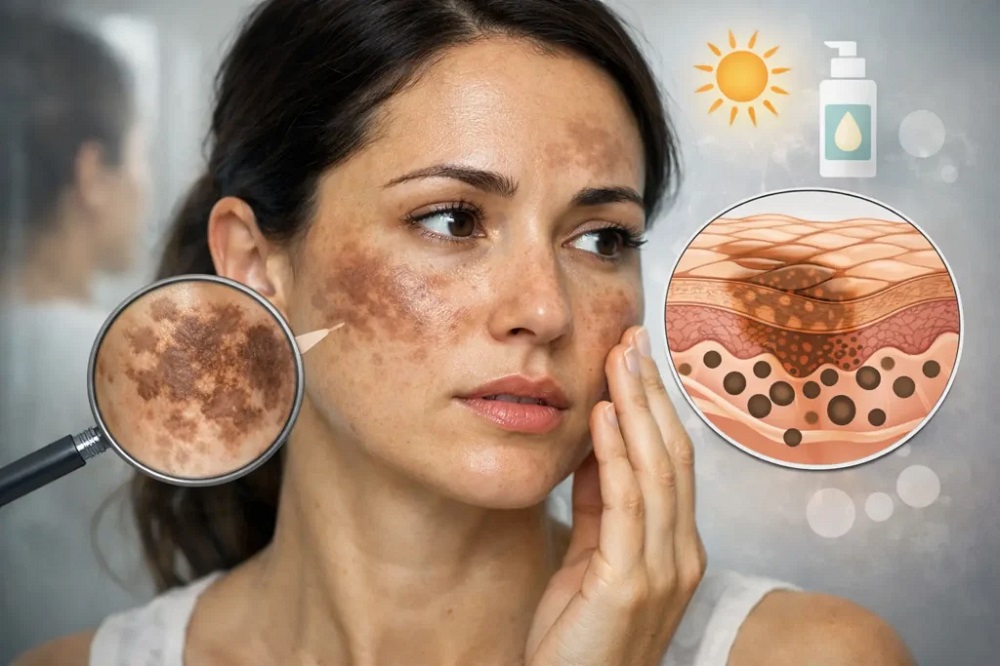
Dark patches on the face can look straightforward, but pigmentation is rarely a one-size-fits-all concern. A reputable melasma treatment clinic should begin by assessing the pattern, depth and likely triggers of discolouration before recommending creams, laser treatment or a combination approach. Without that groundwork, treatment may be ineffective or, in some cases, make the pigmentation more noticeable.
Melasma Is Not the Same as Every Dark Mark
Melasma commonly appears as symmetrical brown or grey-brown patches, often across the cheeks, forehead, upper lip or bridge of the nose. However, several other conditions can create a similar appearance.
Post-inflammatory hyperpigmentation may follow acne, irritation or injury. Sun spots tend to be more clearly defined and are linked to cumulative ultraviolet exposure. Some skin conditions and medications can also alter pigmentation.
This distinction matters because the most suitable treatment depends on what is causing the colour change. A laser that works well for a localised sun spot may not be the best first option for hormonally influenced melasma. Proper assessment reduces the risk of treating the wrong problem.
Why Triggers Matter as Much as Treatment
Melasma is influenced by several factors, including sunlight, heat, hormones and skin inflammation. For some people, pregnancy or hormonal medication plays a role. Others notice that their pigmentation becomes darker after prolonged sun exposure or repeated irritation from strong skincare products.
Treatment is therefore not only about removing visible pigment. It also involves reducing the triggers that encourage it to return.
Daily broad-spectrum sun protection is usually central to any management plan. This includes applying enough product, reapplying when outdoors and using physical protection such as hats or shade. Visible light and heat may also contribute to worsening pigmentation in some people, particularly in warm climates.
Skincare should be reviewed carefully as well. Frequent exfoliation, harsh scrubs or combining several strong active ingredients can damage the skin barrier. The resulting inflammation may deepen pigmentation rather than improve it.

How Treatment Plans Are Usually Built
Melasma treatment often works best when introduced gradually. A clinician may begin with topical ingredients designed to reduce excess pigment production and support more even skin turnover. Depending on the individual, these may include azelaic acid, retinoids, vitamin C or other medically supervised formulations.
Chemical peels, laser procedures or light-based treatments may be considered when appropriate, but they require careful selection. Skin tone, pigment depth, previous reactions and current sensitivity all affect the decision.
More aggressive treatment is not necessarily more effective. High energy settings or frequent procedures can create inflammation, which may trigger rebound pigmentation. Experienced practitioners tend to prioritise controlled improvement over rapid, dramatic change.
Combination treatment may be recommended because no single method addresses every part of the condition. Topical care can help regulate pigment production, while selected procedures may target visible discolouration. Ongoing sun protection helps preserve the progress achieved.
What Realistic Progress Looks Like
Melasma usually improves over time rather than disappearing after one appointment. Early changes may include softer edges, reduced contrast between patches and surrounding skin, or fewer periods of sudden darkening.
Progress should be reviewed under consistent lighting and, where possible, with standardised photographs. Day-to-day changes can be difficult to judge, especially when exposure to heat or sunlight temporarily affects the appearance.
Patients should also understand that maintenance may be necessary. Even after a good response, pigmentation can return when triggers are reintroduced. A long-term plan may involve adjusted skincare, occasional professional treatment and consistent protection from environmental exposure.
A Careful Plan Produces Better Decisions
Successful pigmentation management begins with identifying the condition accurately and understanding why it has developed. The most reliable approach combines realistic expectations, controlled treatment and daily prevention rather than relying on one intensive procedure. With regular review and sensible adjustments, gradual improvement is both more achievable and easier to maintain.